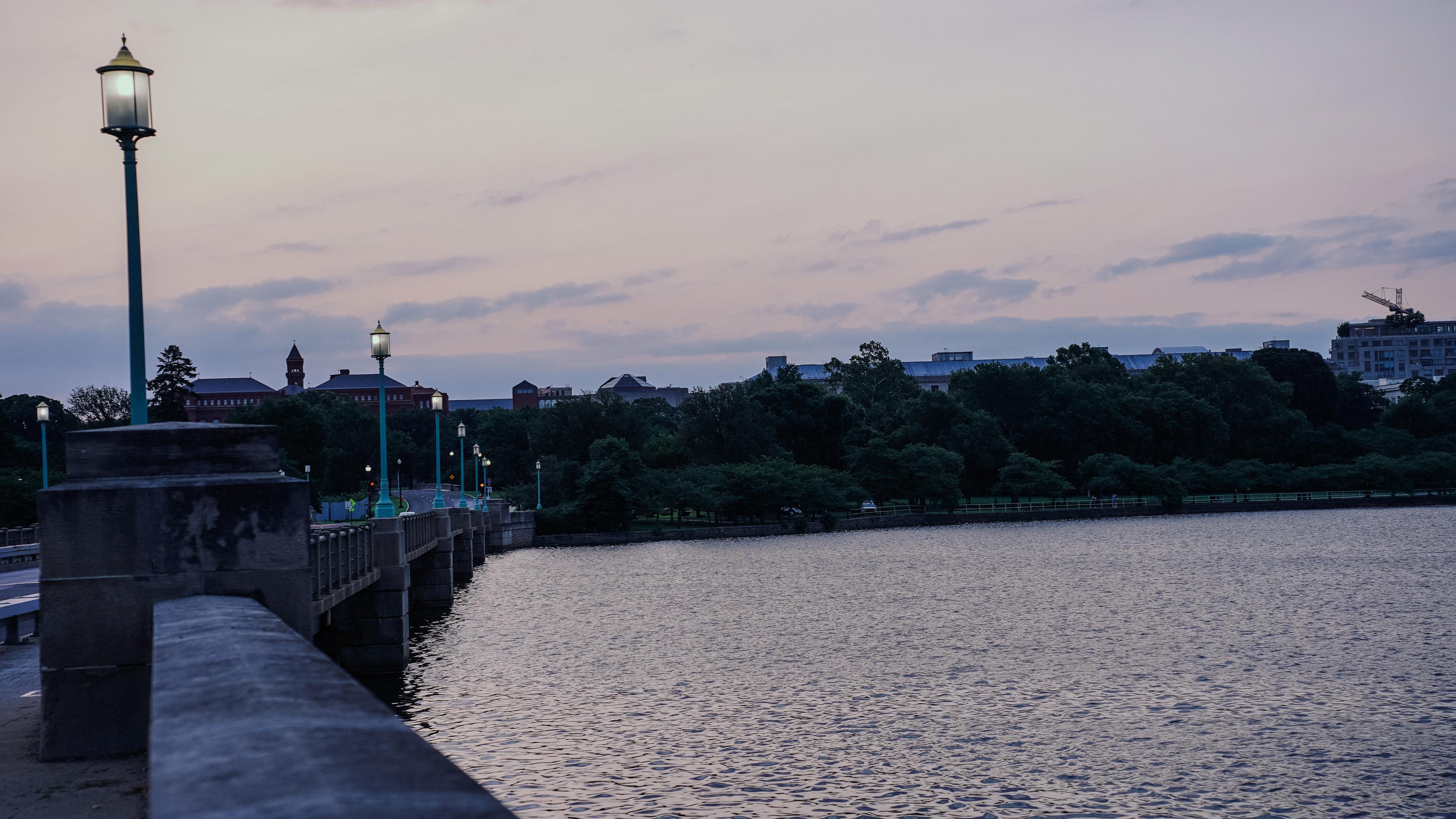
Washington DC locals and visitors cross over the Kutz Memorial Bridge each day, but it’s likely that few know the history behind it. Archibald ‘Archie’ Alphonso Alexander, was a noted engineer and was the man behind the construction. Born into a working-class family in Ottumwa, Iowa on May 14, 1888, the son of a janitor may not have envisioned many bright, exciting prospects in his future.
Nevertheless, in 1912, Alexander became the first African American to graduate from the School of Engineering at the University of Iowa. In 1914, just two years out of university, Alexander founded his own firm, specializing in bridge design and construction. Alexander believed that “to succeed and be successful as an engineer or constructor, one needs to be willing to be venturesome, friendly, diligent, and honest.” The guiding star propelling the firm was honesty, as Alexander also often remarked, “the best asset the engineering profession has is its reputation for honesty. It is the duty of every engineer to preserve that reputation unsullied.”
Kutz Bridge
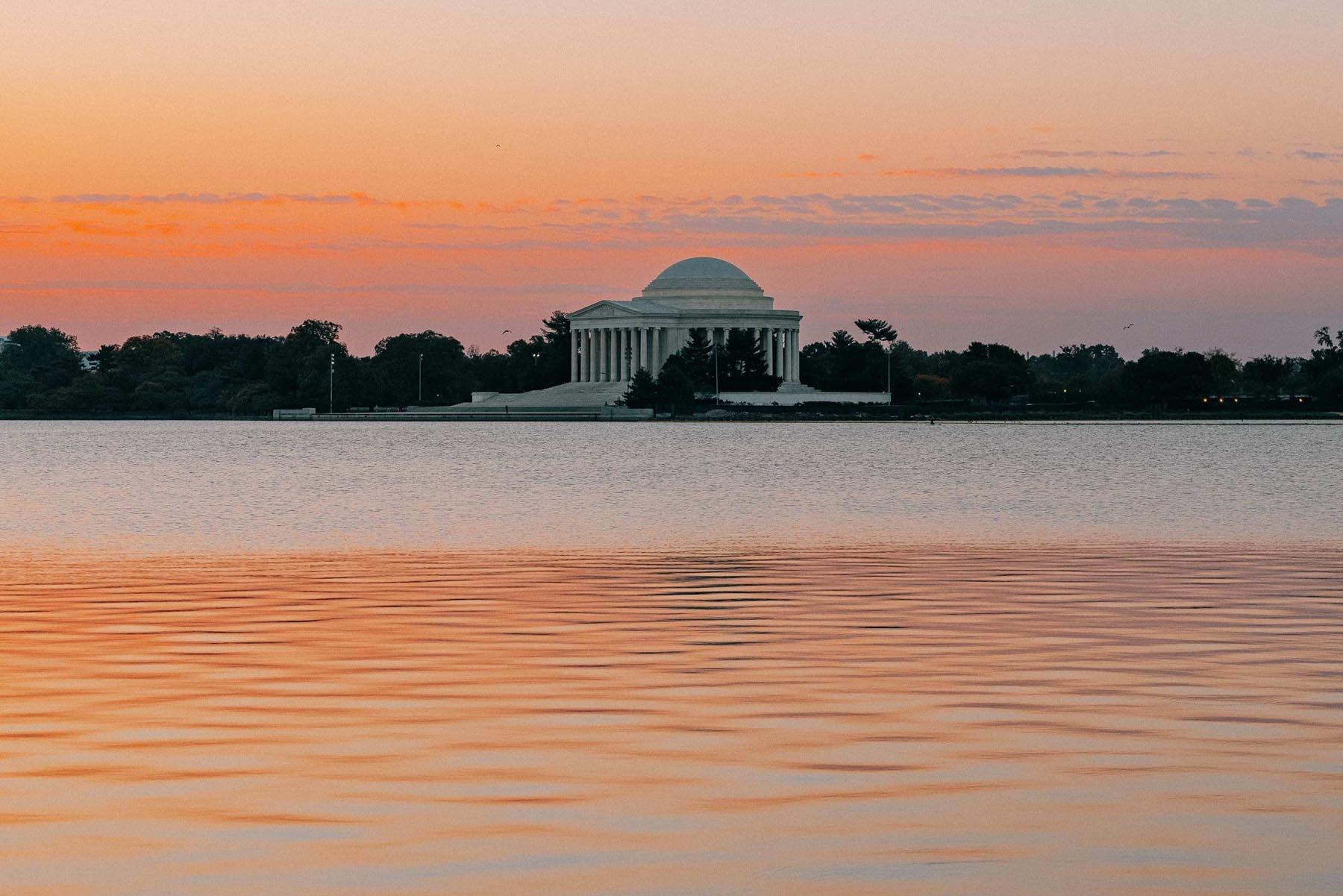
Successfully weathering the Great Depression, Alexander’s integrated firm gained a reputation for not only producing high-quality work, but also for completing jobs on time and within budget. One of these projects was the million-dollar bridge, now known as the Kutz Memorial Bridge, spanning a part of the Tidal Basin in Washington D.C. The Kutz Bridge was a unique challenge, as it needed to support ever-increasing motor vehicle traffic, yet stand as unobtrusively as possible. This bridge needed to be functional and also preserve the area’s historic landscape. Once finished, a 1958 news report called the bridge “a monument to achievement of harmony between two men of different races." Now, the bridge still stands as a working, functional, inconspicuous feature that beautifully blends into and preserves the Tidal Basin’s iconic background.
The namesake for the bridge, Brigadier General in the Army Corps of Engineers Charles Willauer Kutz, served as the Engineering Commissioner of the Board of Commissioners of Washington, D.C. for much of the first half of the twentieth century in three terms, between October 31, 1914–July 16, 1917, December 18, 1918–October 6, 1921, and May 20, 1941–September 25, 1945.
Impact & Legacy
The fruits of Alexander’s work will long remain and reverberate. Beyond the Kutz Bridge, he completed projects across the country including freeways, tunnels, railroad trestles, power plants, sewage works, and the airstrip in Tuskegee, Alabama, where the Tuskegee Airmen trained for World War II. Ultimately passing away on August 31, 1958, Alexander can appropriately be remembered as a man who successfully, graciously, and honestly built both physical, and symbolic bridges.