
Cherry Trees
9810 Kutz Bridge, Washington, DC 20004
Amenities
- Restrooms — Available at the Memorials
- Pedal boats — Seasonal
- Food & drink — Concession stand at the Jefferson Memorial along East Basin Drive
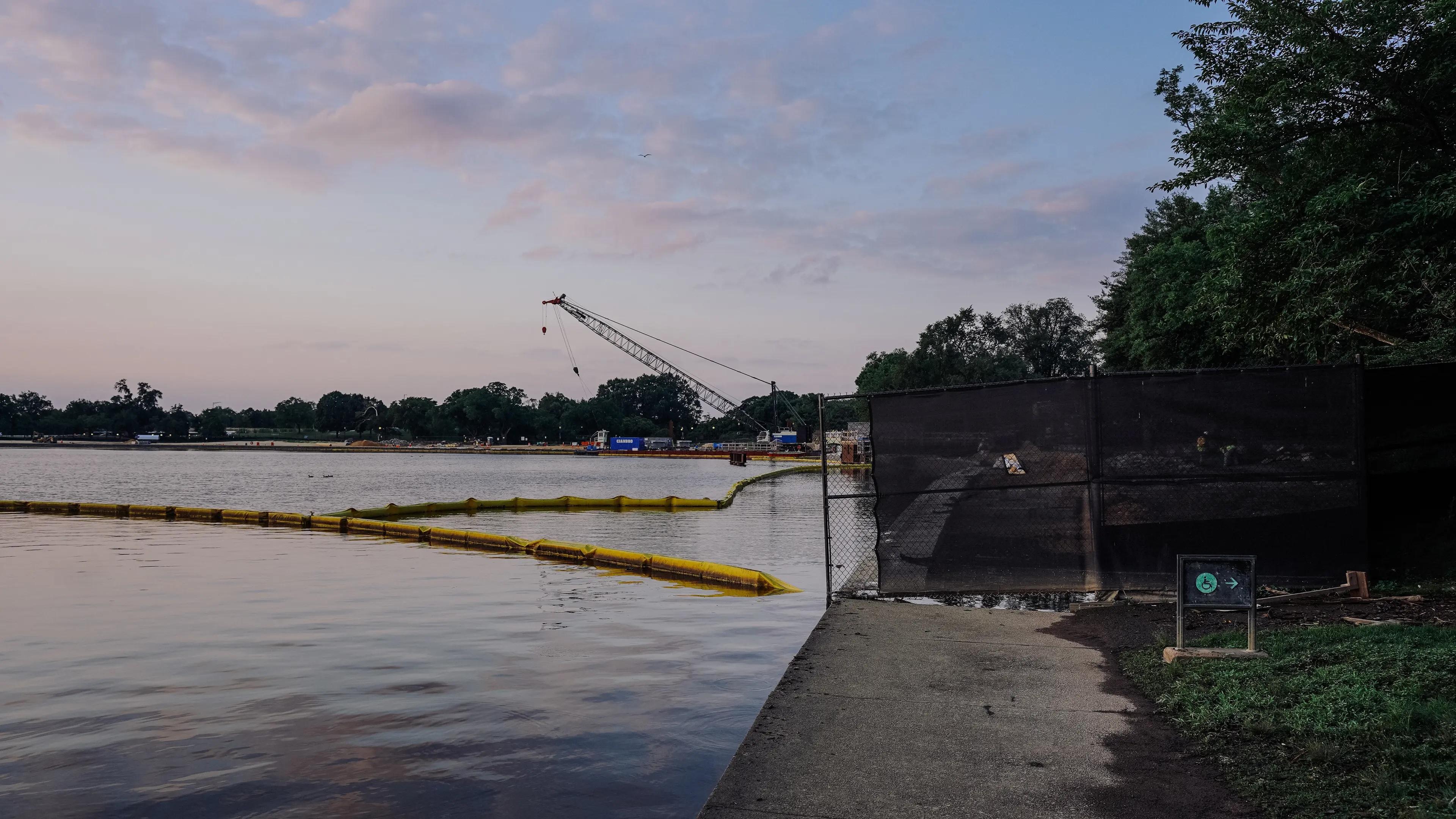
There are several multi-year construction projects ongoing around the Tidal Basin. While visiting the cherry trees and nearby Memorials is not impacted, Ohio Drive SW and the Potomac Heritage Trail are closed for vehicle, bicycle, and pedestrian access between Independence Avenue SW and West Potomac Park Drive SW.
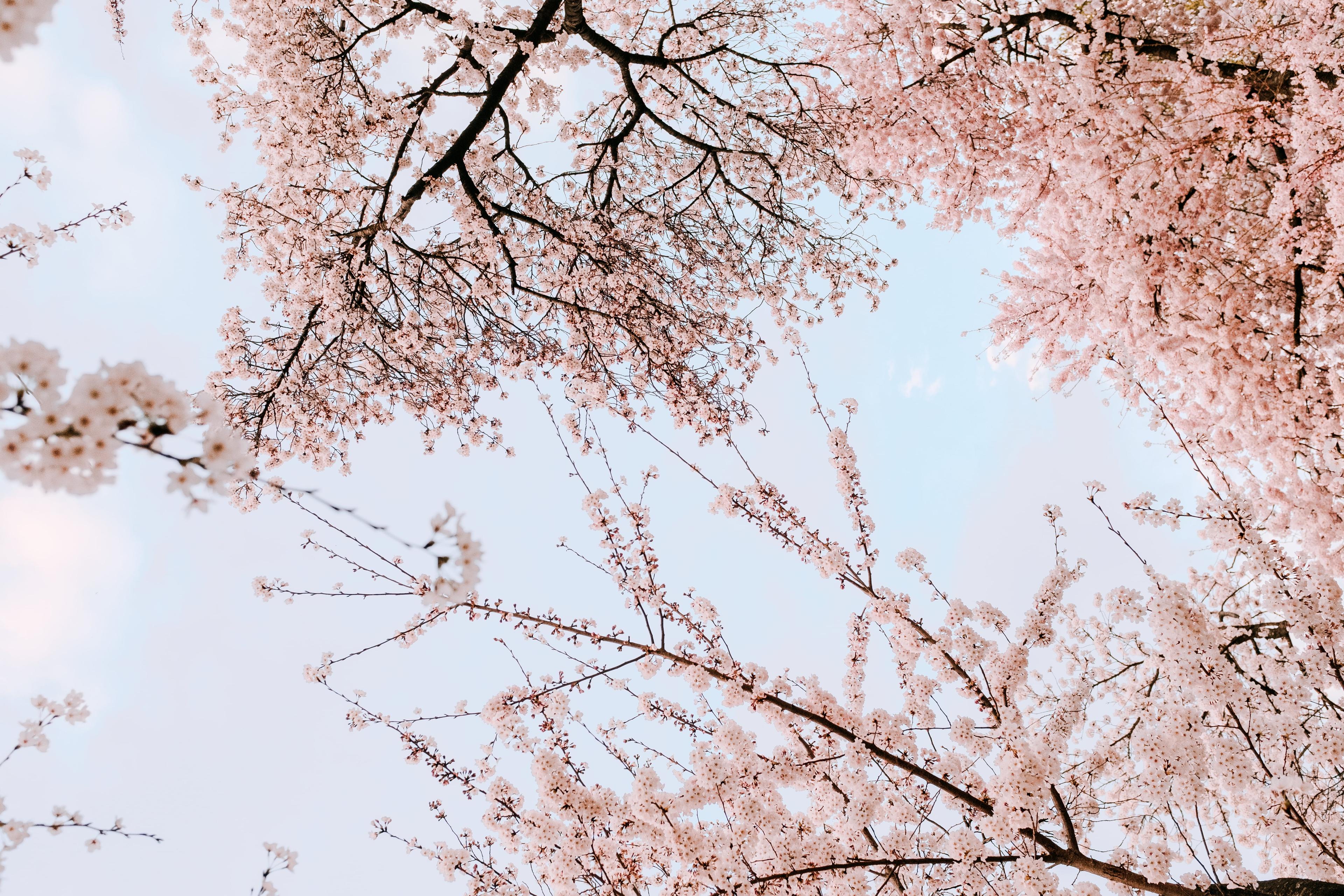
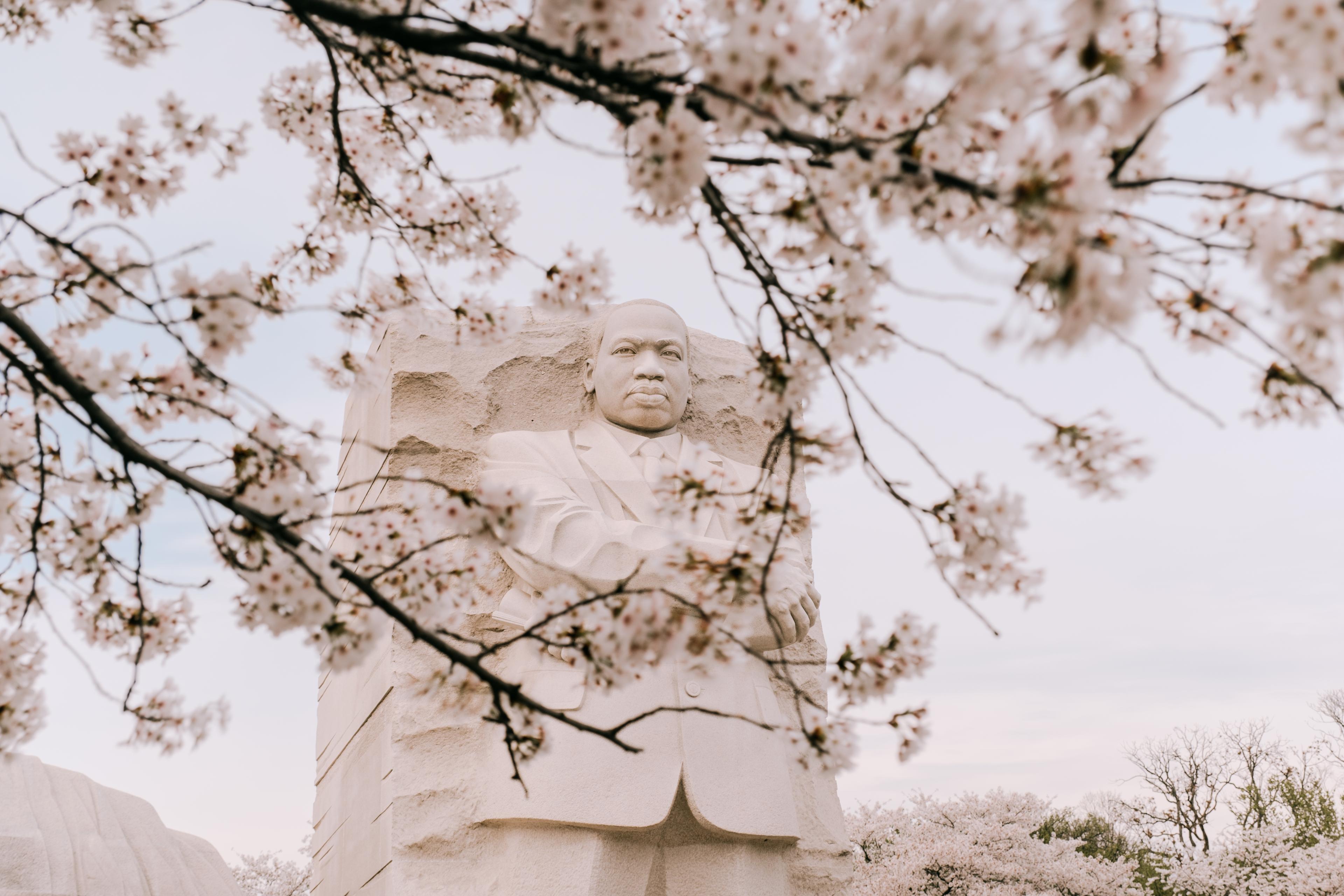
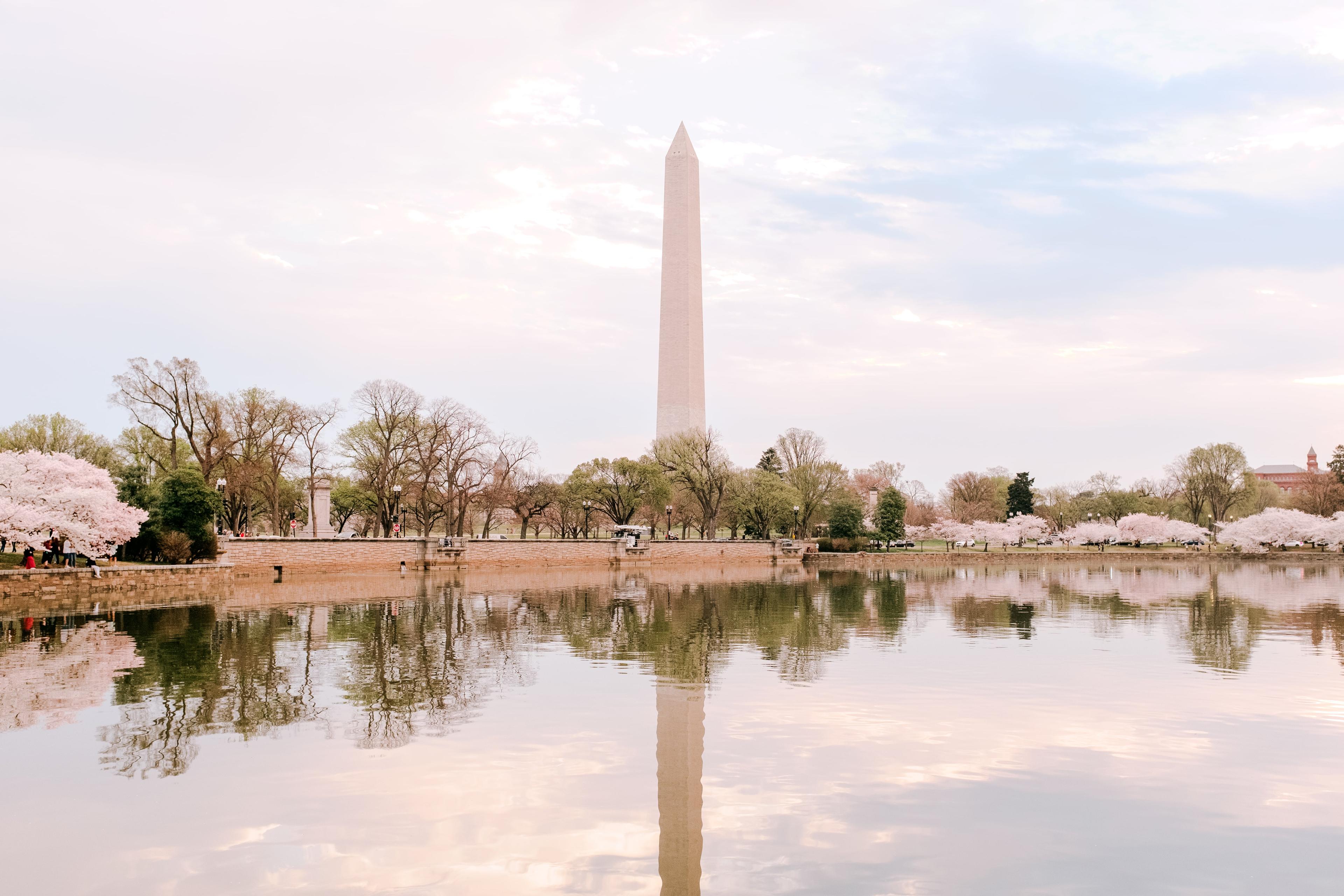
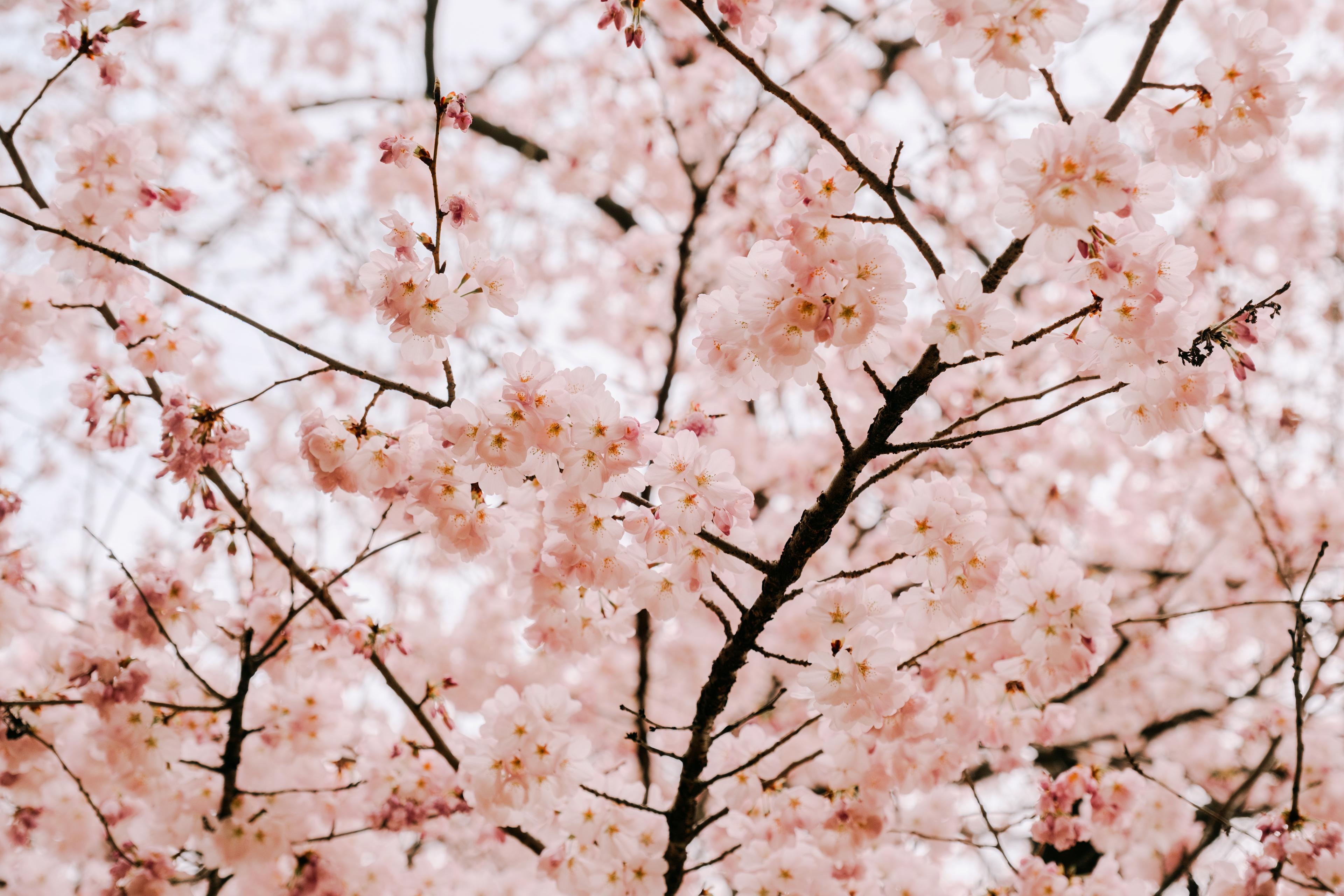
The cherry blossoms are a significant attraction every spring in Washington, DC, bringing visitors from across the world. Over 3,800 cherry trees line the Tidal Basin and surrounding areas, and you can see them at the Franklin Delano Roosevelt, Martin Luther King Jr., and Thomas Jefferson Memorials. The peak bloom date, when 70% of the blossoms are open, typically occurs between the last week of March and the first week of April, though it can vary based on weather conditions. The blooming period lasts several days, with cool, calm weather extending it and rainy, windy conditions shortening it.
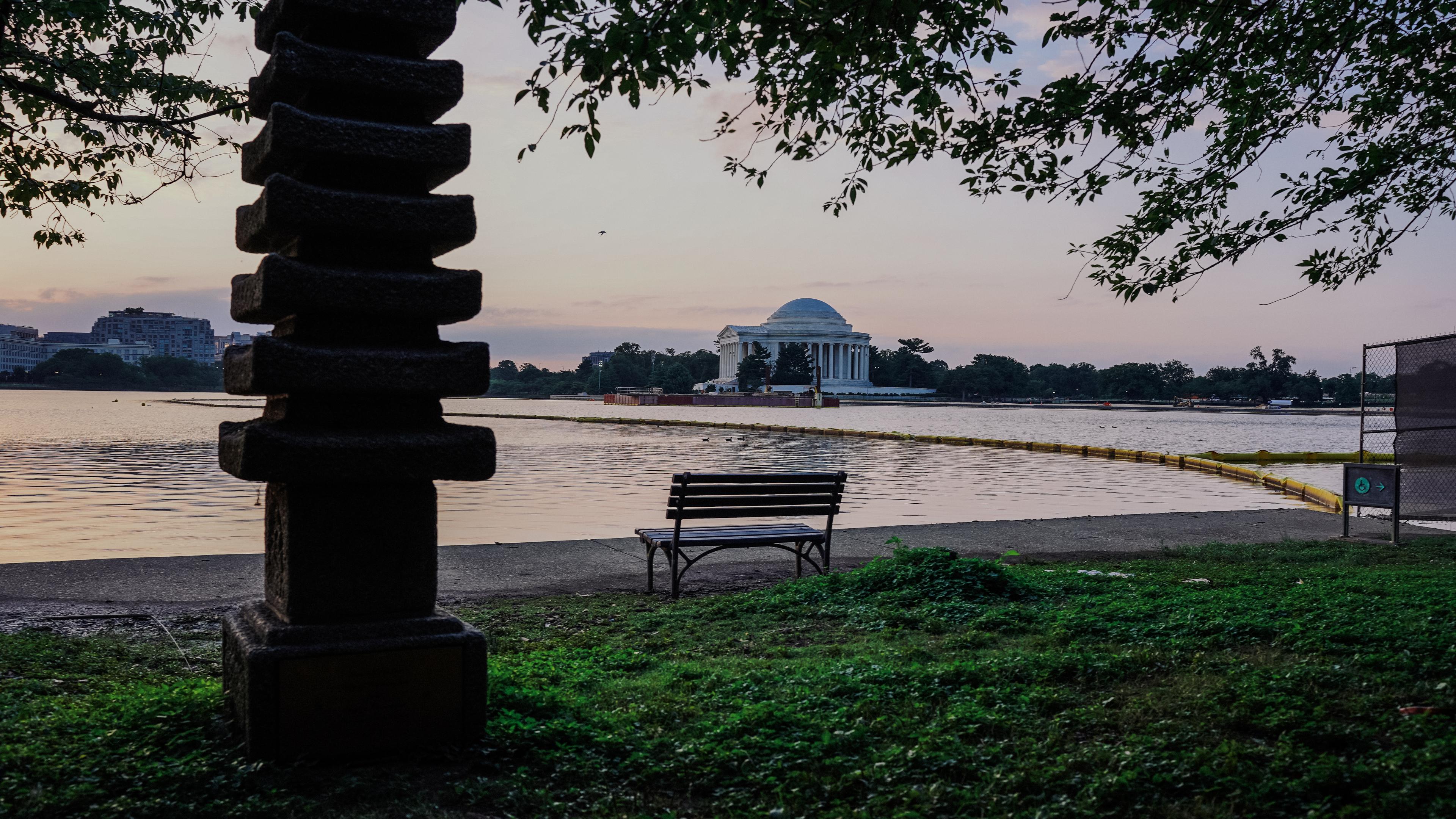
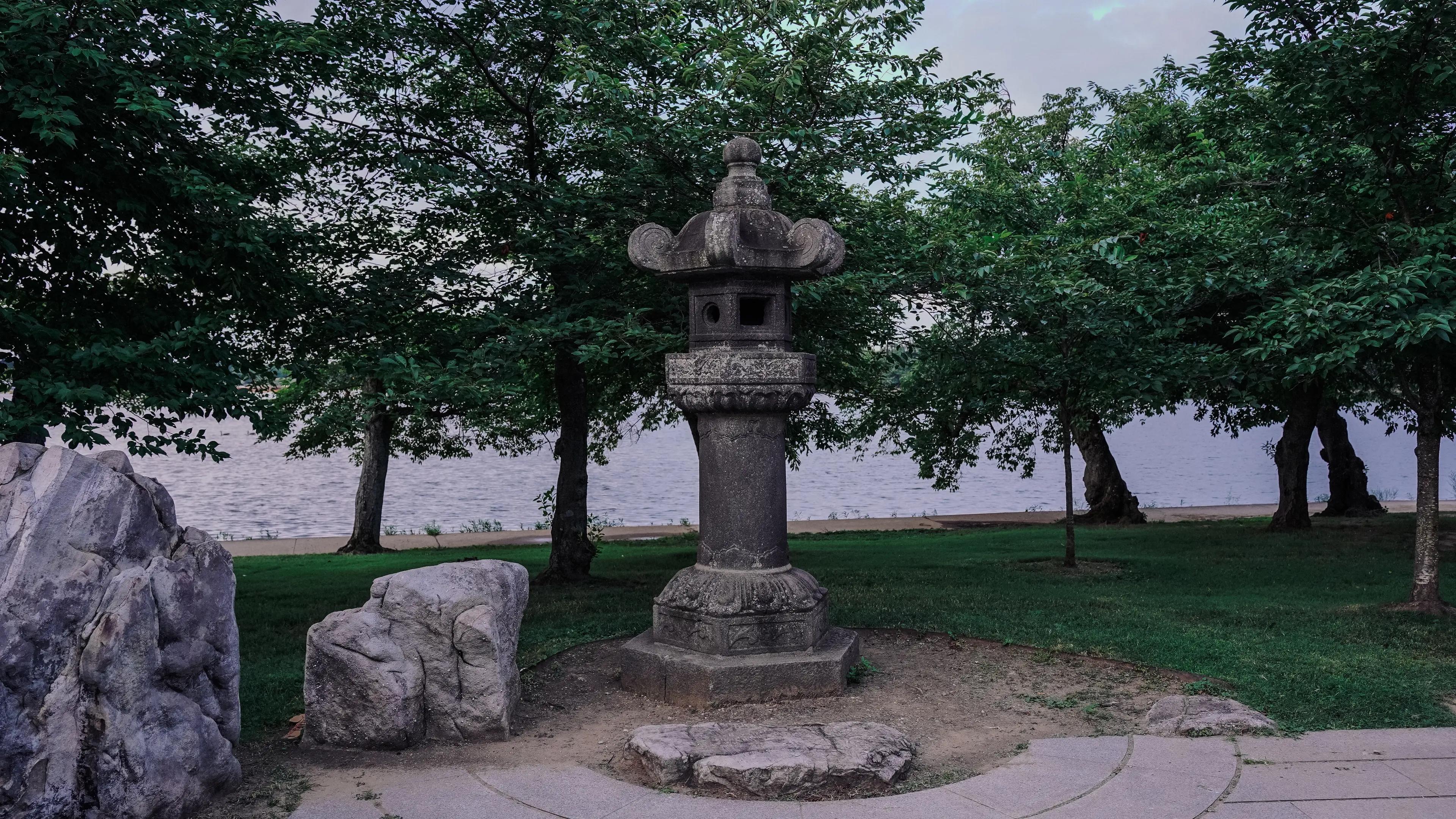
The cherry trees donated to the National Mall and the City of Washington, DC—as well as the Japanese Stone Lantern and Pagoda on the banks of the Tidal Basin—were motivated by American influence in several key moments in modern Japanese history. The initial donation of the cherry trees in the early 1900s was motivated in part due to Tokyo Mayor Ozaki’s gratitude towards the United States for mediating the end of the Russo-Japanese War, which culminated in the Portsmouth Treaty in 1905. The Stone Lantern (donated by the City of Tokyo) and the Pagoda (donated by the City of Yokohama) were gifts commemorating the centennial of the opening of US - Japan relations through the 1853–1854 Perry Expeditions.
“If we have neither old castles nor old associations, we have at least, here and there, old trees that can teach us lessons of antiquity, not less instructive and poetical than the ruins of a past age.” –Andrew Jackson Downing, in Rural Essays (1853).
Videos
History
Timeline of events
Japan’s Tokugawa shogunate enforces Sakoku, a policy of isolation limiting foreign trade mainly to the Dutch. Several failed US attempts are made to officially open relations.
President Fillmore appoints Andrew Jackson Downing to plan DC parks and the National Mall.
US Navy Commodore Matthew Perry arrives in Edo Bay (present-day Tokyo Bay), disembarking Marines at Yokosuka. At the time, foreign ships were restricted to the port at Nagasaki. Delivering a letter from President Fillmore calling for the opening of trade relations, Perry declared that he would return the following year to hear the Japanese government’s response.
Perry returns to Japan; the Tokugawa shogunate accepts virtually all of the demands from the previous year. After weeks of negotiations, the Convention of Kanagawa was signed on March 31st, opening American treaty ports and establishing diplomatic missions for the US.
Eliza Scidmore is born in Iowa.
The Meiji Restoration and Reforms, following the Boshin War, westernizes Japan and significantly increases the number of American expatriates in the country; Scidmore later lives in Japan and falls in love with cherry blossoms.
US Army Corps of Engineers dredges the Potomac Flats, extending the Mall westward.
Scidmore visits Japan via her diplomat brother.
The Tidal Basin is constructed as part of the dredging projects.
Scidmore begins lobbying to plant Japanese cherry trees on the Mall.
Congress designates reclaimed land as Potomac Park, including the Tidal Basin.
Helen Taft visits Japan on the way to her husband’s appointment as Governor-General the Philippines; she becomes fond of cherry blossoms.
The McMillan Plan envisions the Mall as a grand civic landscape, replacing Victorian landscaping with ‘City Beautiful’ reforms; the Tafts support it once in office.
Theodore Roosevelt brokers the Treaty of Portsmouth ending the Russo-Japanese War, strengthening US–Japan ties and inspiring Tokyo’s future tree gift.
USDA Botanist David Fairchild imports and plants Japanese cherry trees in DC suburbs with the help of a Japanese gardener, advocating for their wider use.
Newly inaugurated First Lady Taft plans to beautify Potomac Park, inspired by Manila’s Luneta Park; Scidmore, an acquaintance, suggests cherry trees. Japanese chemist Jōkichi Takamine, Tokyo Mayor Yukio Ozaki, the New York Consul-General Kōkichi Mizuno, and the Tokyo Municipal Council offer 2,000 trees as a gift.
The first shipment arrives but is destroyed due to pest infestation to the dismay of Mrs. and President Taft.
A second shipment succeeds; Taft and Viscountess Iwa Chinda plant the first trees around the Tidal Basin.
Eliza Scidmore dies in Geneva; her ashes rest in Yokohama amid cherry trees.
The first Cherry Blossom Festival is held, becoming annual in 1935.
Women protesters chain themselves to trees to prevent Jefferson Memorial construction—the “Cherry Tree Rebellion.”
After the Imperial Japanese Navy’s attack at Pearl Harbor, four cherry trees
During WW2, Allied firebombing damages many of the original areas from which tree saplings were donated, such as the Arakawa River in Tokyo. Many of these areas have since replanted cherry trees donated from the Tidal Basin, such as around the city of Yokohama.
Tokyo donates the Japanese Stone Lantern (March 30, 1954) and Yokohama the Japanese Pagoda (1957–April 18, 1958) to Washington, commemorating the centennial of the Convention of Kanagawa.
Saplings from cherry trees around the Tidal Basin were returned to Japan and planted by the Eliza Scidmore Cherry Blossom Society of Yokohama. These were planted at the Yokohama Foreign General Cemetery at the Scidmore family plot and the general American section.
In the decades since, saplings from the returned trees have been planted across Japan, including at the US Department of State's Foreign Service Institute Yokohama campus, US military facilities in and around the Yokosuka area, and other local parks in Japan.
Key Features
Reflection Questions
High school learners: Our nation’s past is complex and often provokes reflection, especially as we look to the future. Here are a few questions to inspire deeper thinking:
- What do the cherry trees symbolize about the relationship between Japan and the United States?
- How can a simple act — like planting trees — serve as a form of diplomacy?
- How do stories like the cherry trees connect nature, history, and civic pride?
Educational Activities
Other Resources
Interested in learning more? The following links will provide you with additional context and information: