Lincoln Memorial Undercroft
2 Lincoln Memorial Circle NW, Washington DC, 20002
Amenities
- Wheelchair accessible
- Museum — Daytime hours may vary.
- Food & drink — Concession stand along Daniel French Drive on southern side of Lincoln Memorial. Daytime hours vary
- Open 9AM–9PM (Mar.–Oct.), 9AM–8PM (Nov.–Feb.) ; timed-entry tickets are required. The last timed entry tickets are for an hour before closing time, and last entry is 45 minutes before closing time.
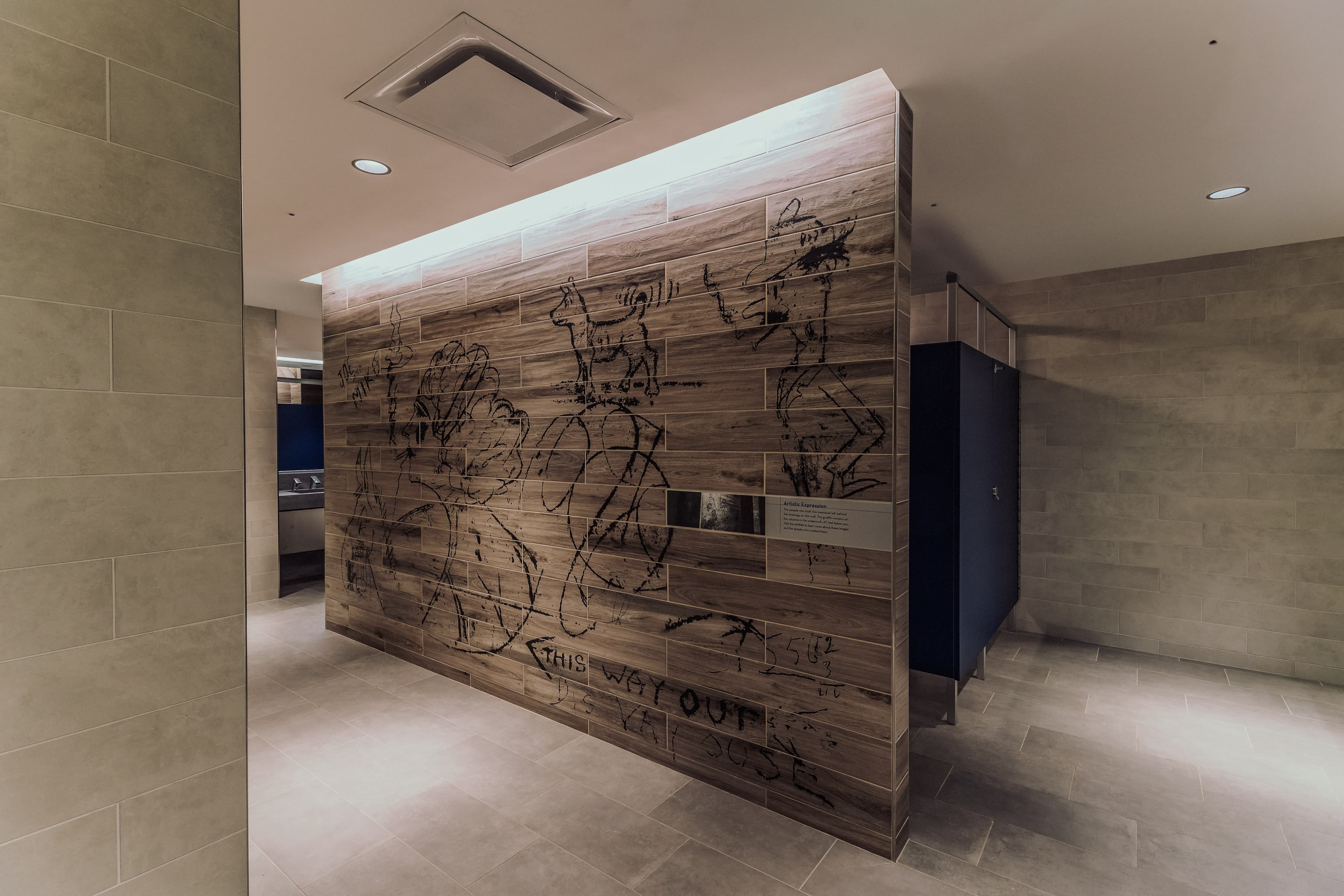
- Restrooms — Mens', womens', and family restrooms. Child and adult changing stations available.
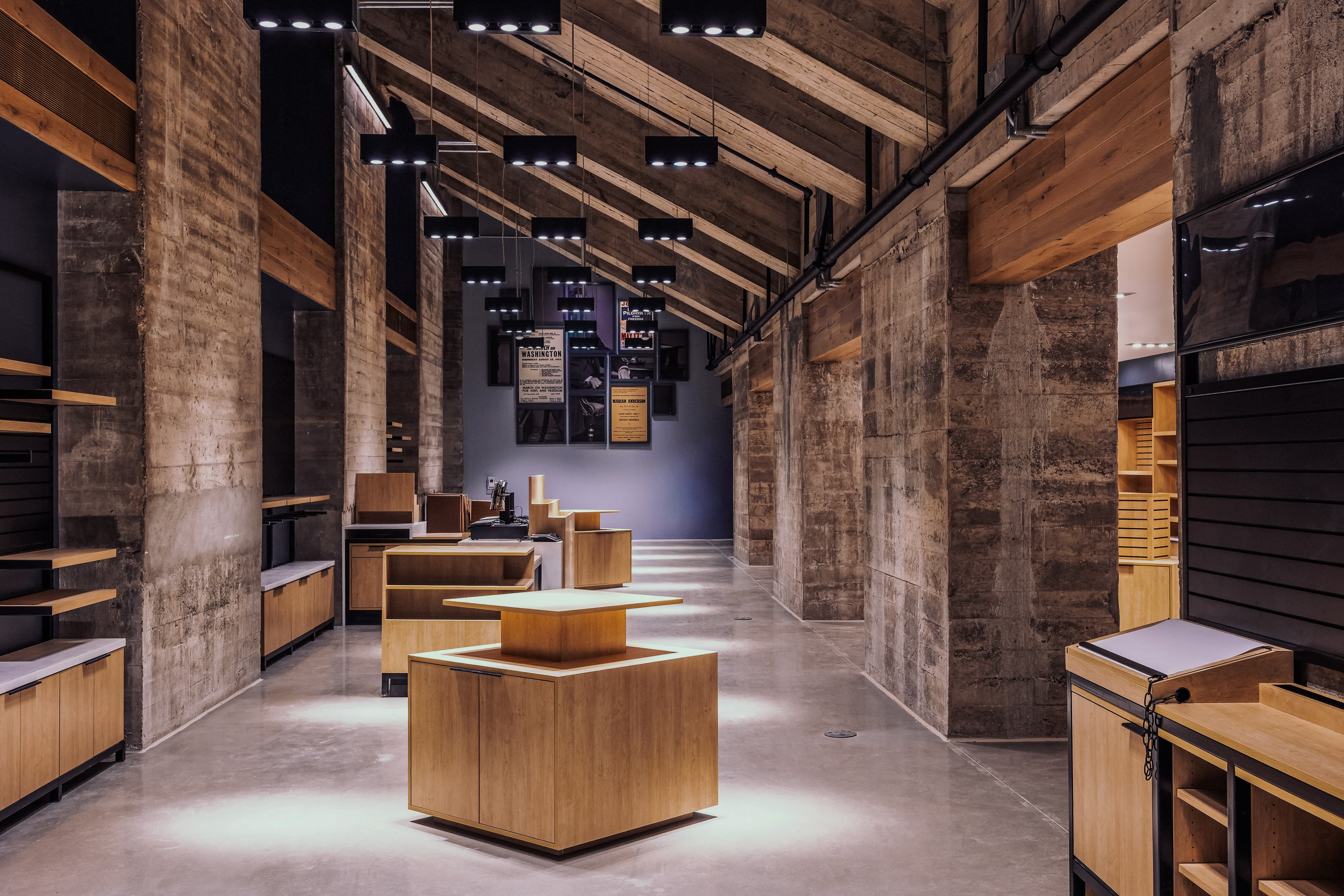
- Gift shop — Inside of the Undercroft (requires time entry ticket)
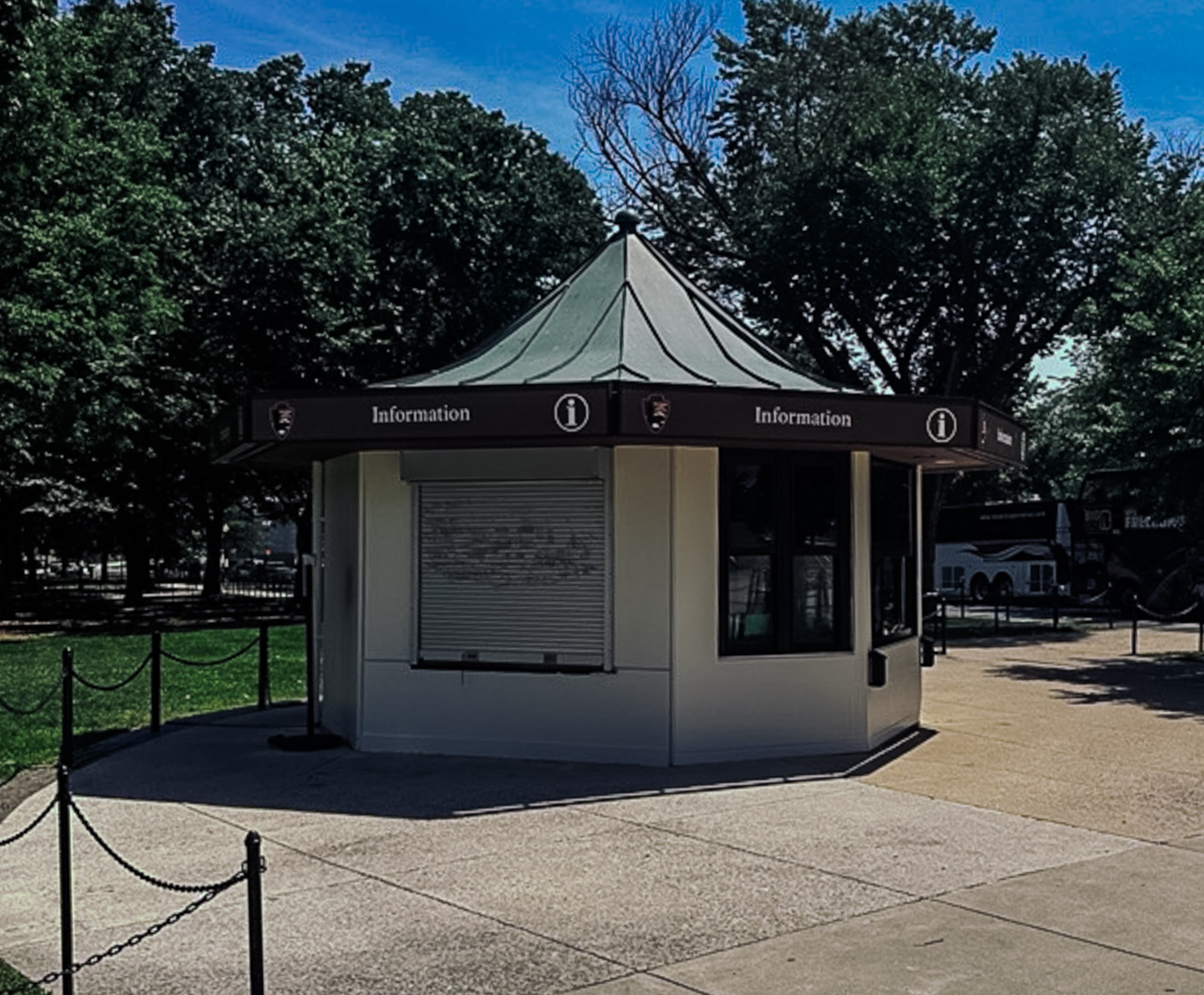
Time-entry tickets are required to visit the Lincoln Memorial Undercroft (the main Lincoln Memorial remains free). Please reserve tickets online for a reservation fee of $1 per ticket, or get free same-day tickets in person at the Korean War Veterans Memorial Kiosk. Due to capacity restrictions, time-entry tickets are valid for a period of two hours/120 minutes per visit. The last timed entry slot into the Undercroft is an hour before closing time, and the last entry is at 45 minutes before closing time.
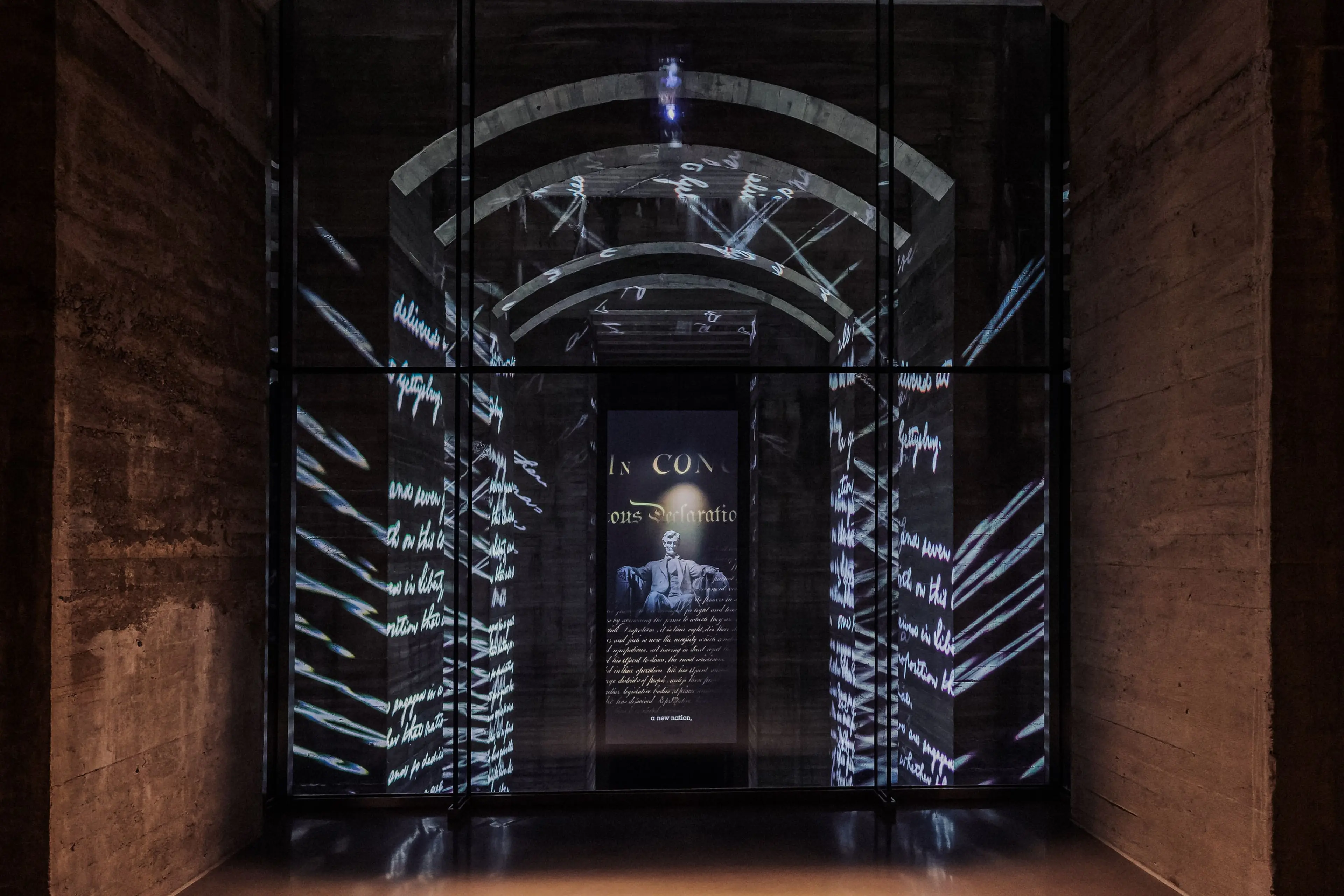
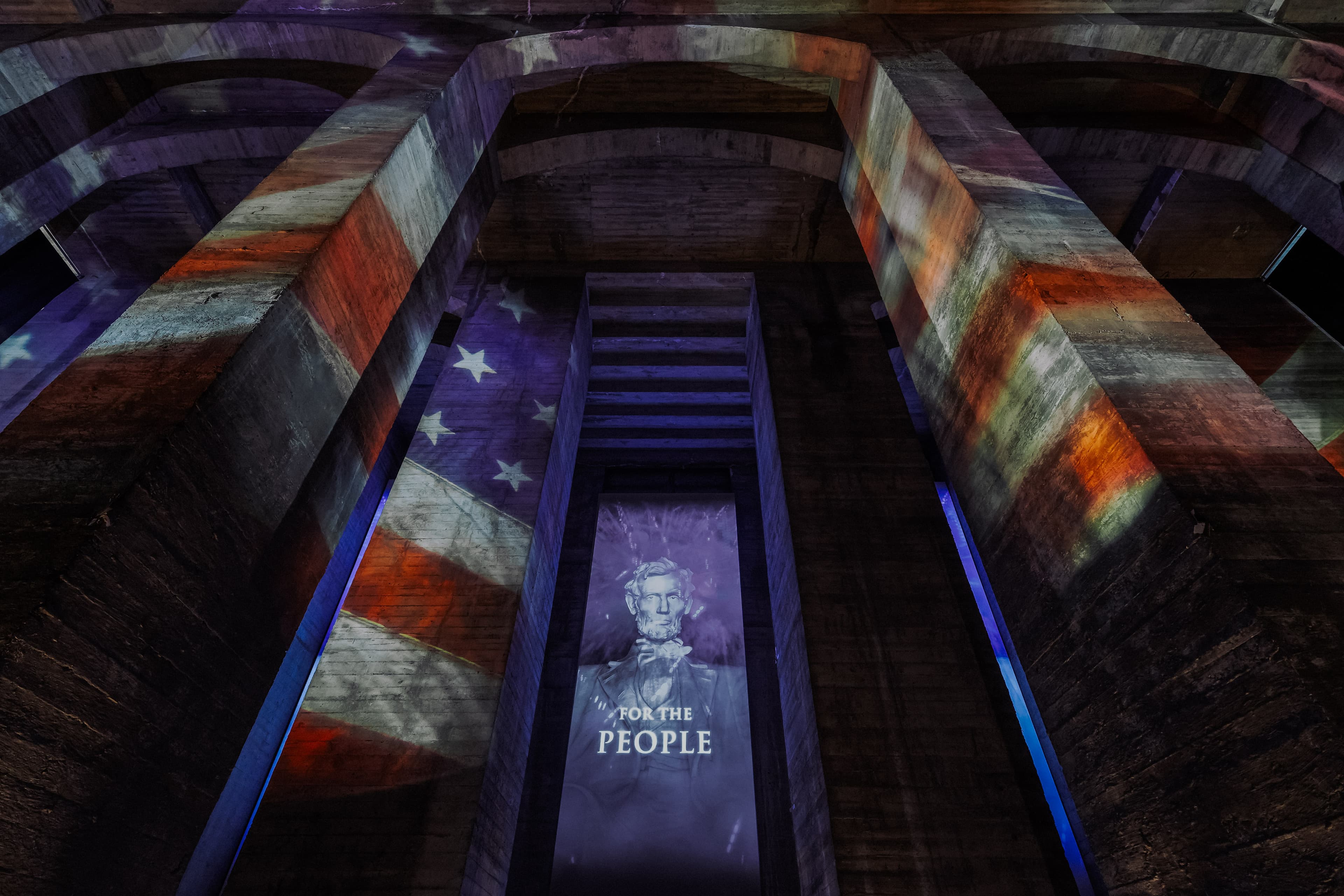
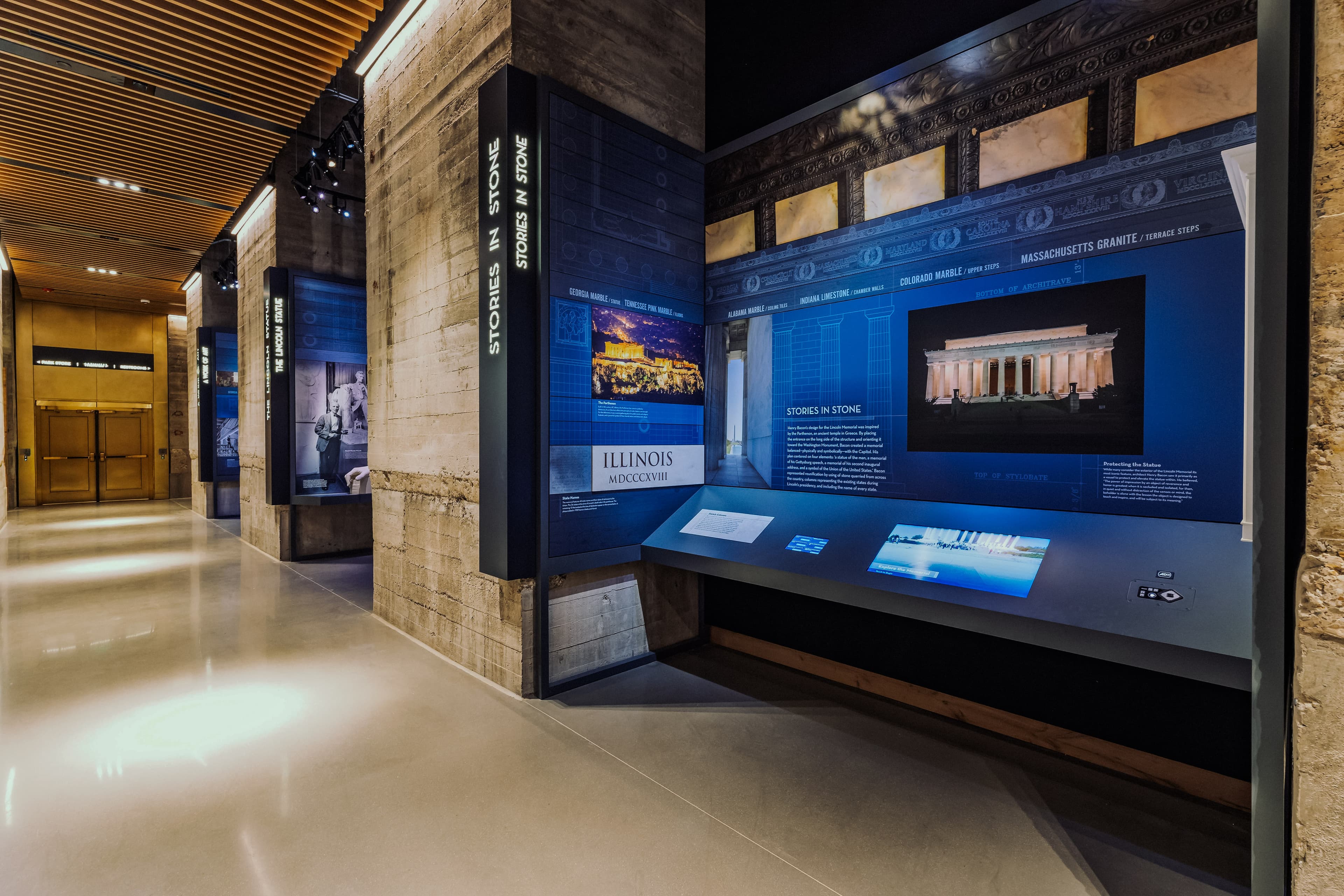
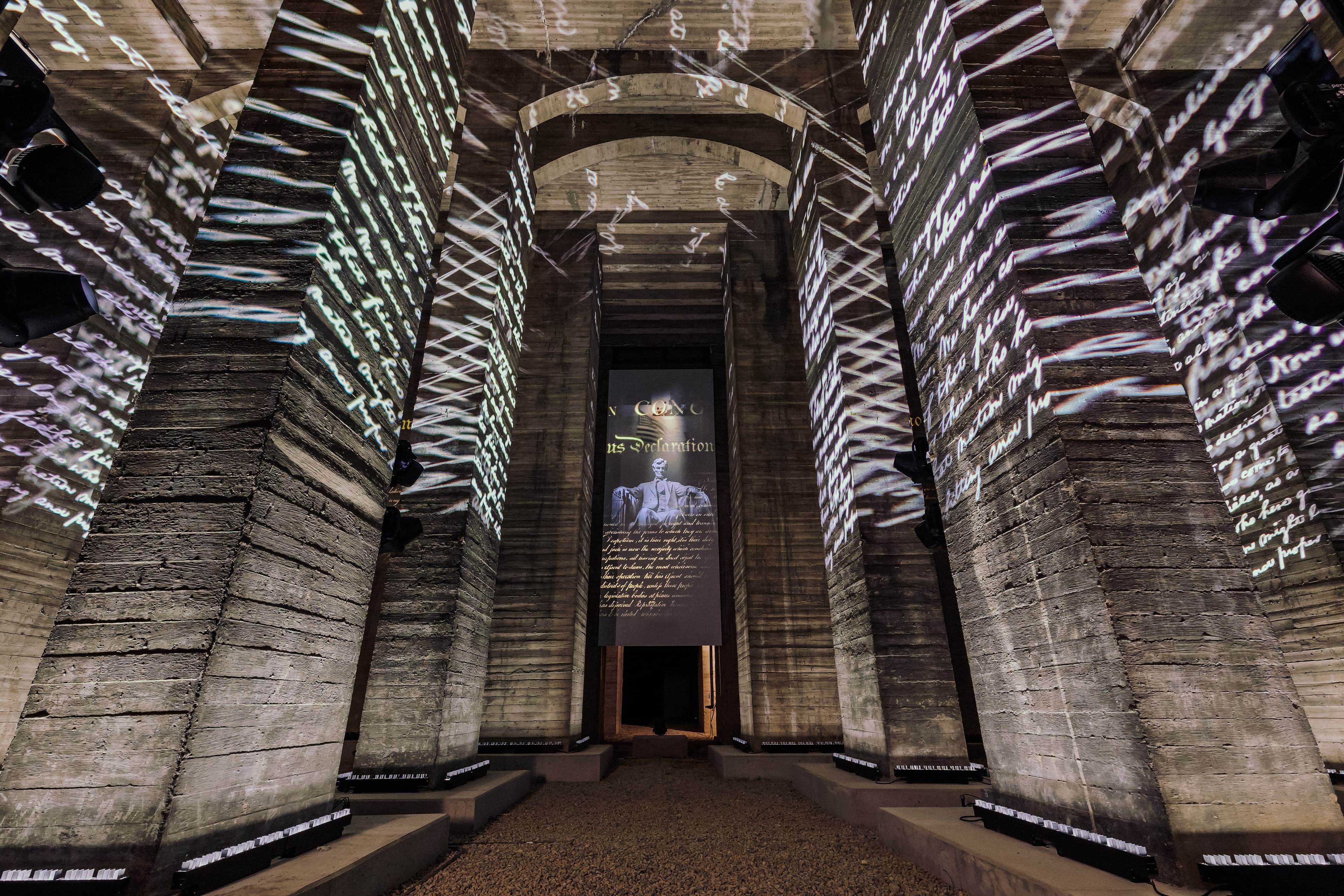
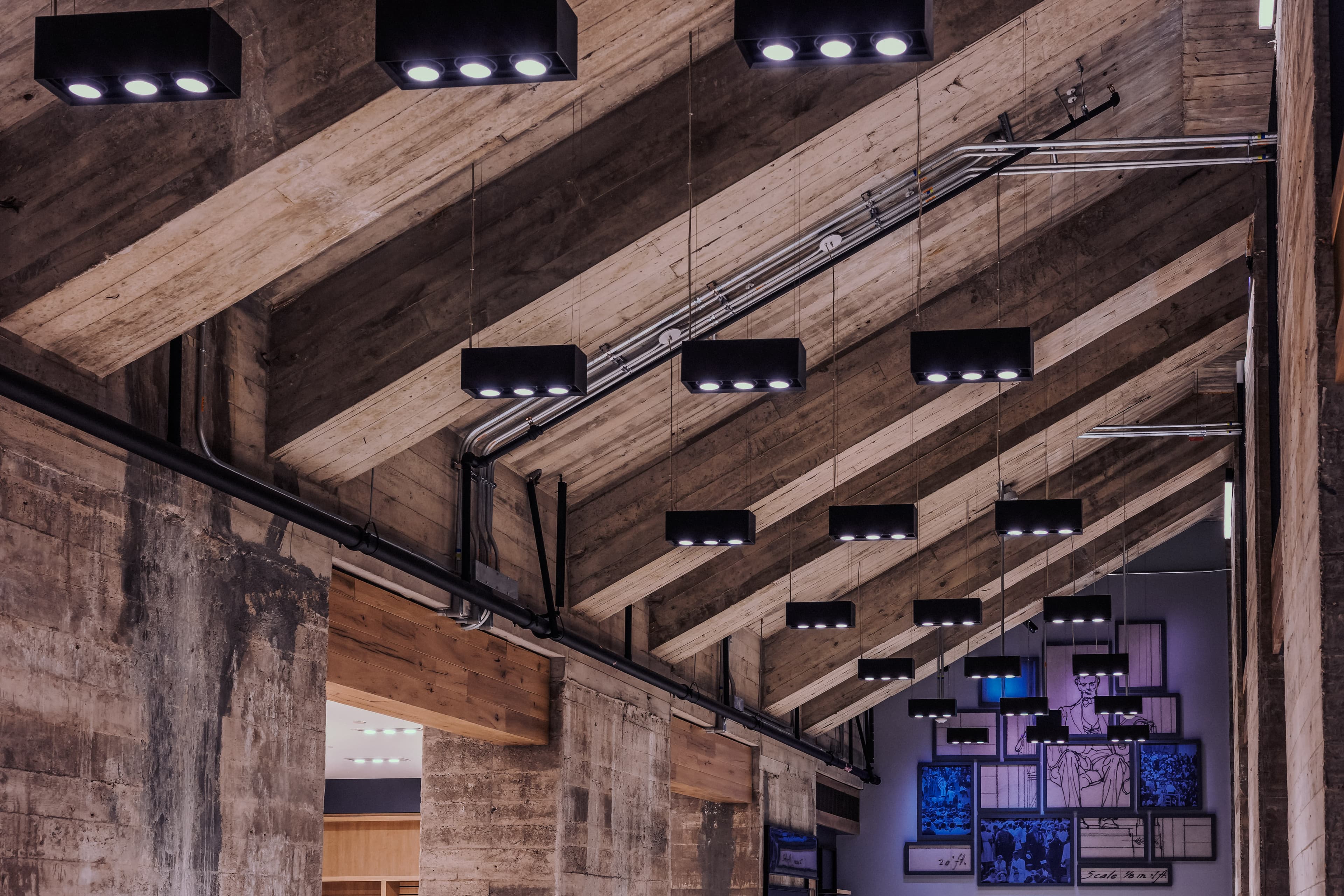
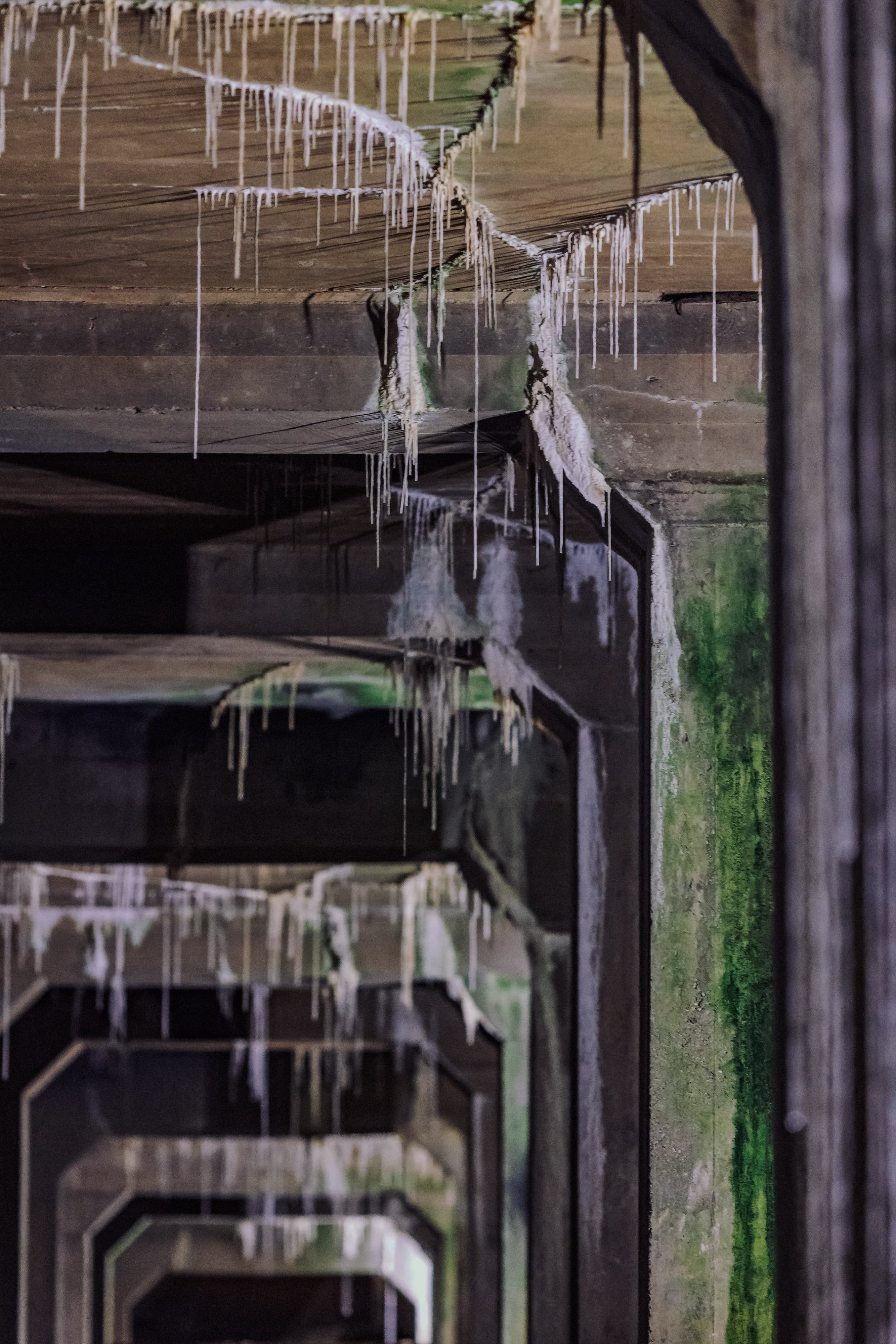
Some of the photos in the gallery above depict areas of the Lincoln Memorial Undercroft that are not open to the public. While in-person visitors to the museum can see much of these areas through windows, the National Mall Gateway lets you see these restricted areas up close!
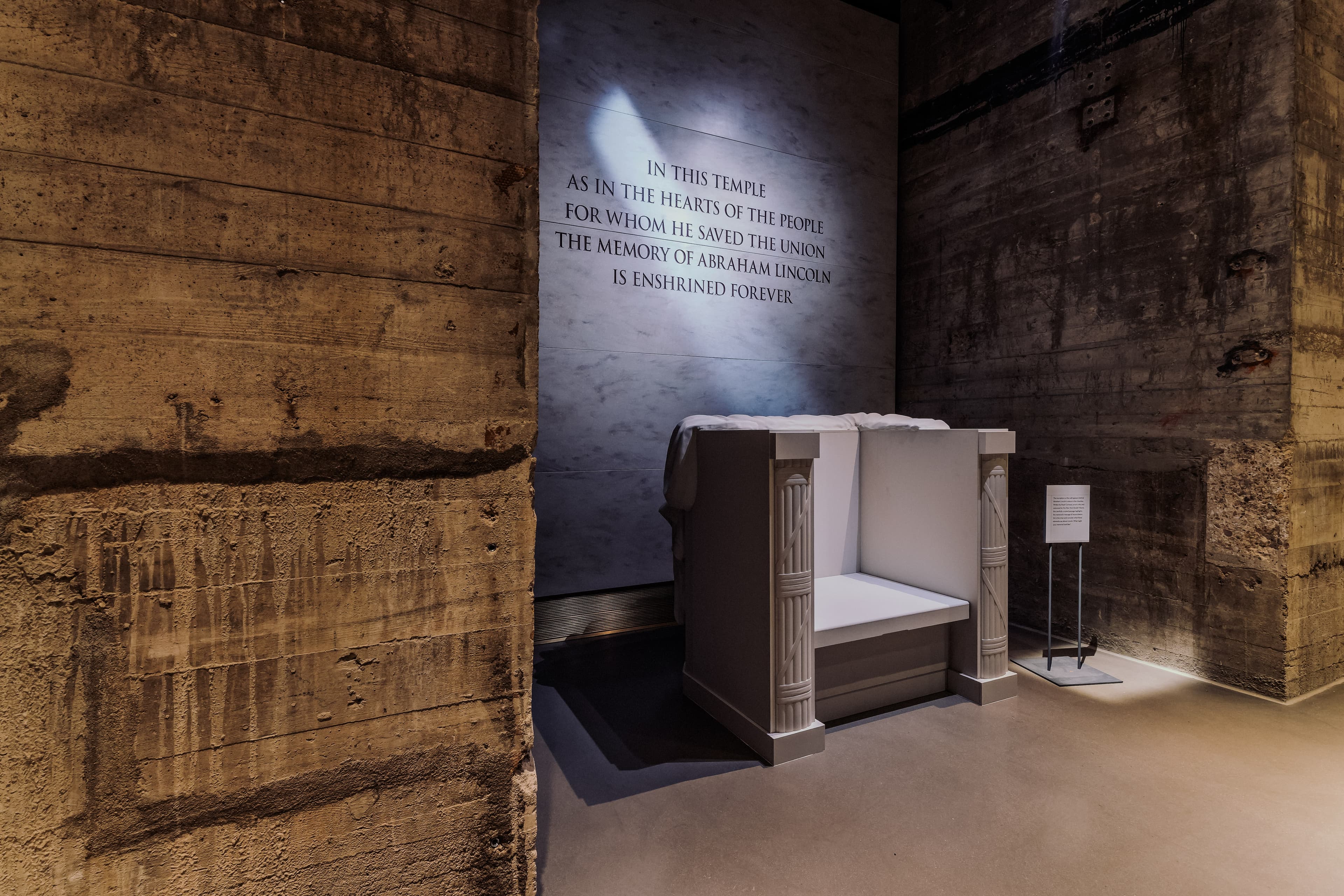
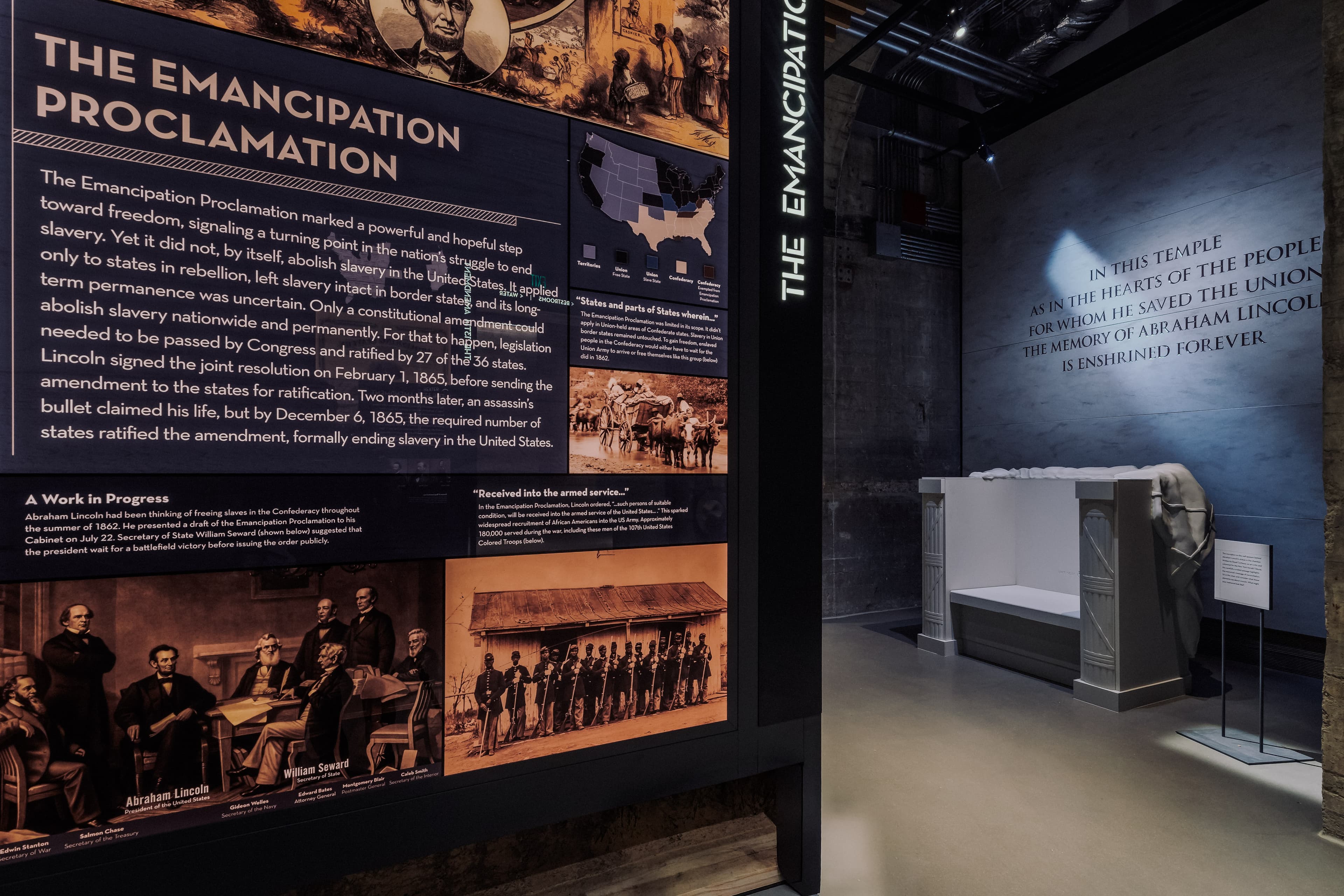
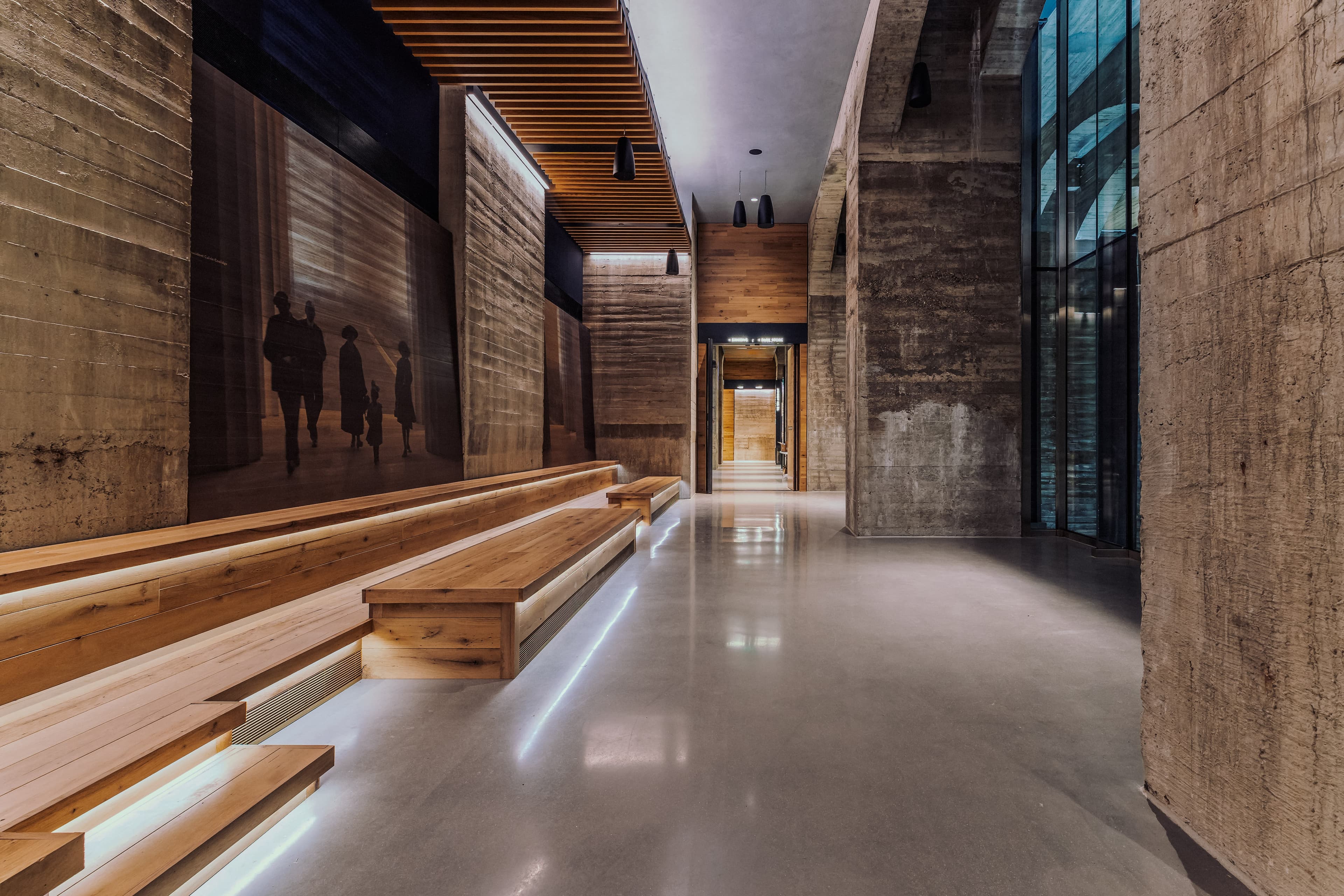
Under the main part of the Lincoln Memorial (also known as the superstructure), sits a 43,800 square foot area called the Undercroft (a subterranean or ground-level room or vault beneath a building). The National Park Service has worked to build the new Lincoln Memorial Undercroft museum with support from The National Park Foundation and the Trust for the National Mall.
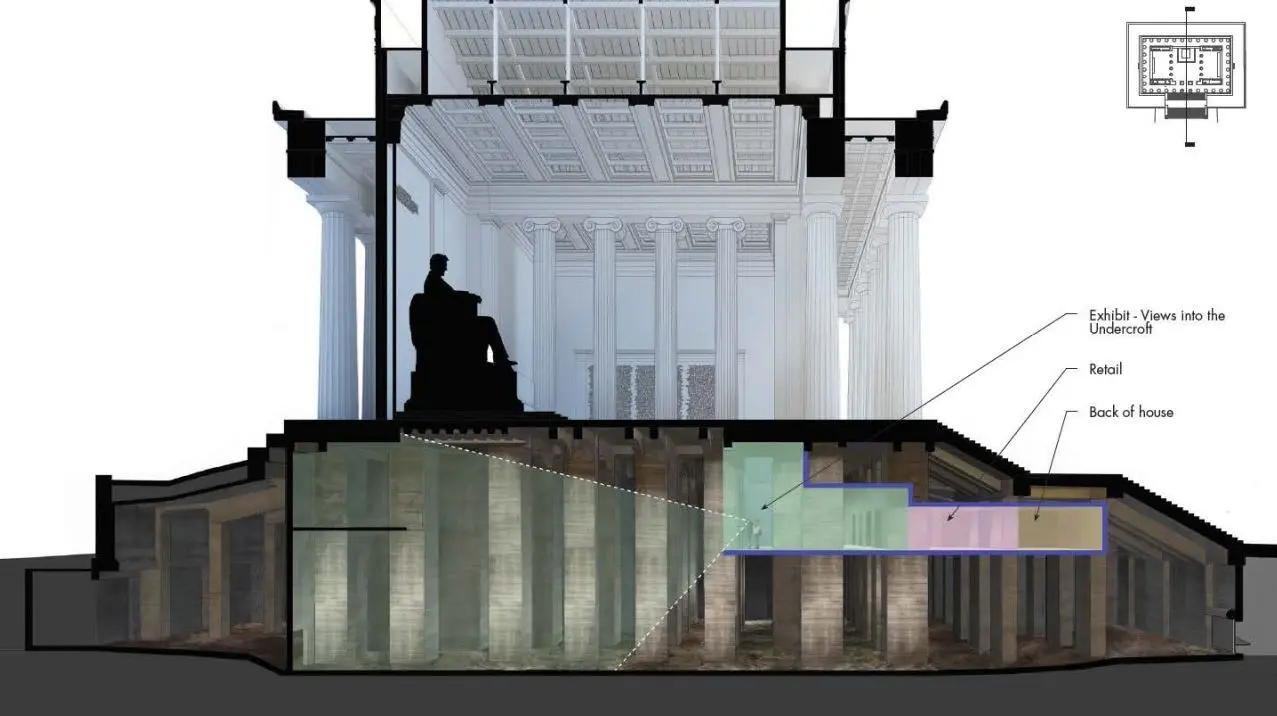
Rendering image courtesy of National Park Service. Cross section of the Lincoln Memorial showing the statue, chamber, and undercroft.
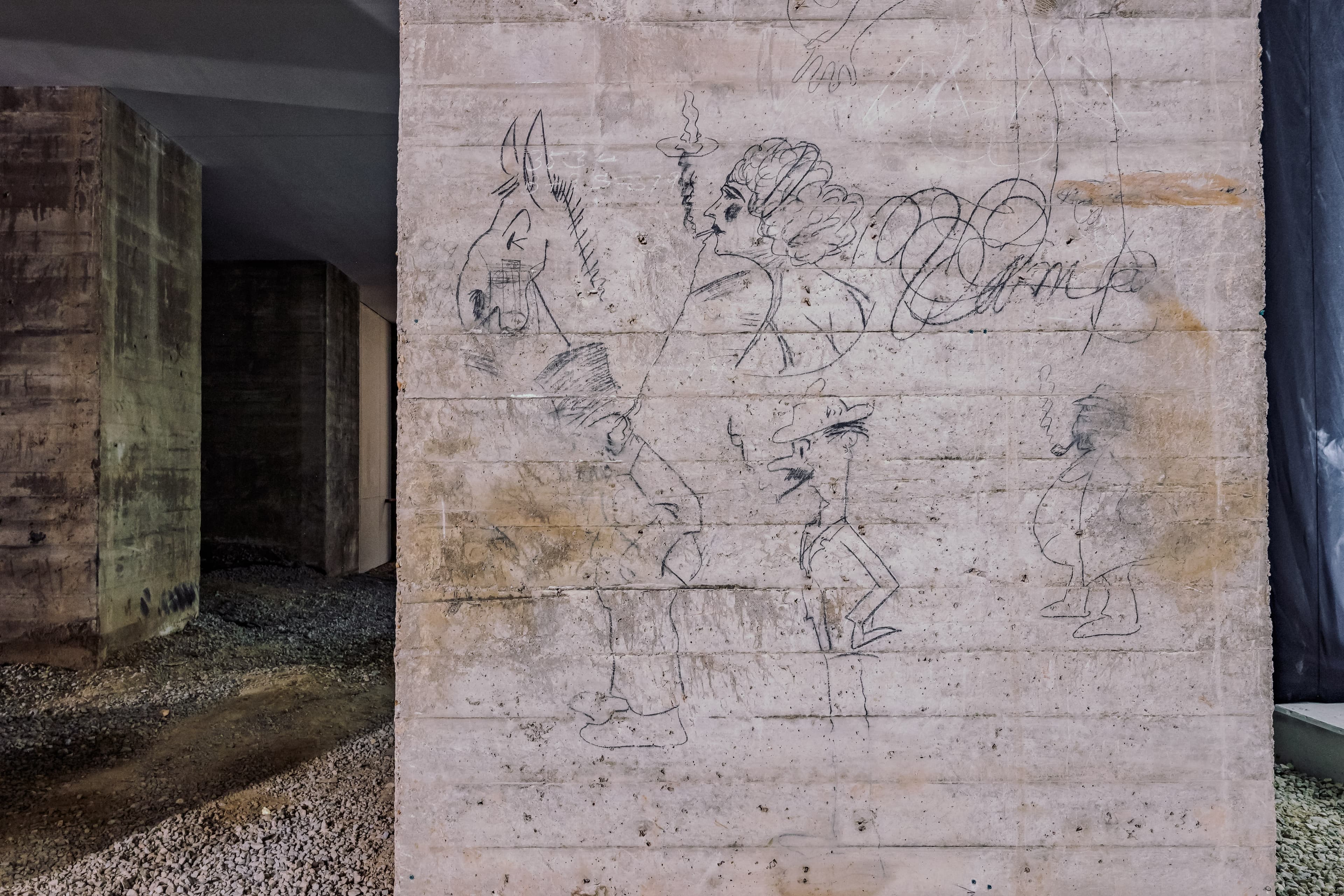
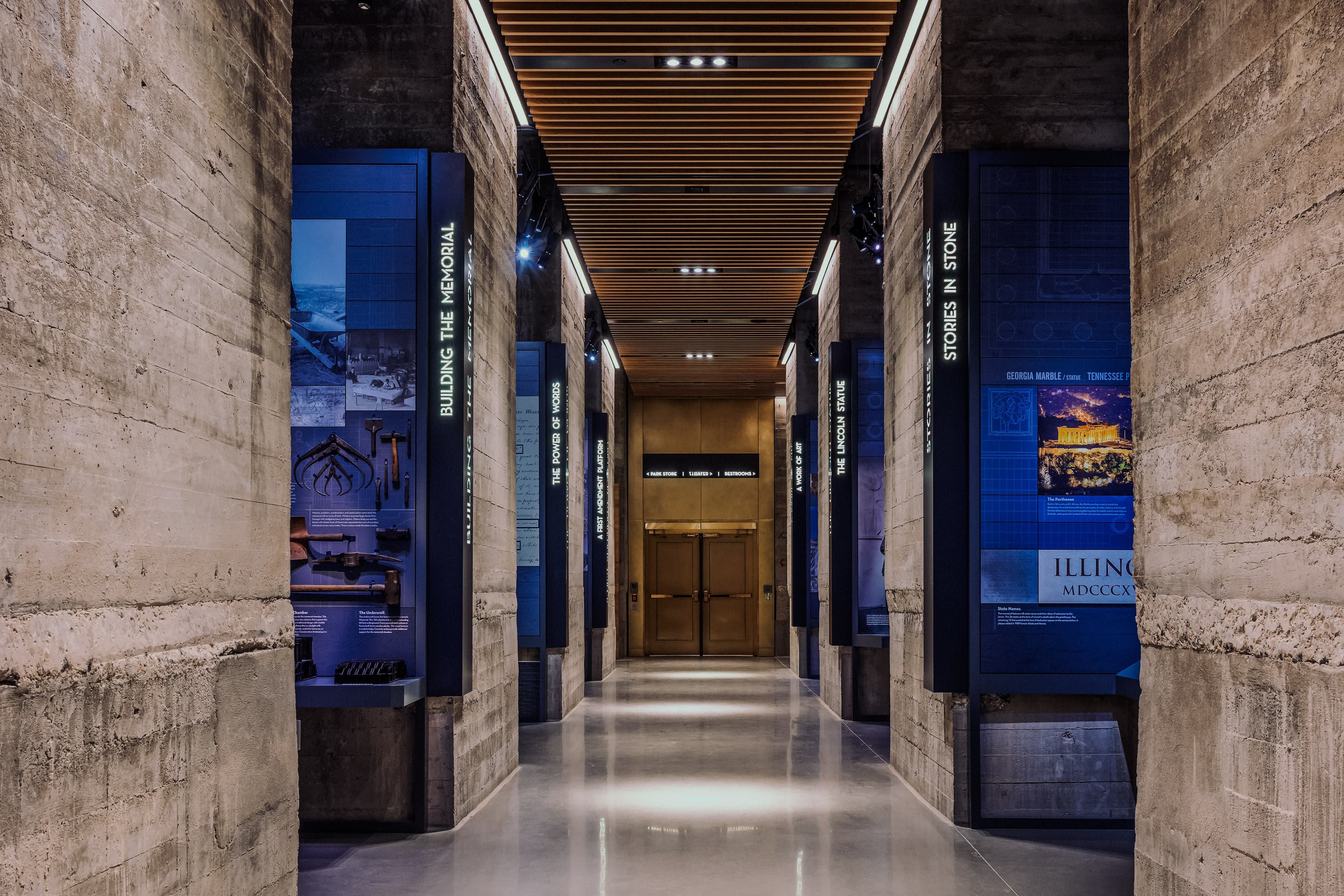
When the Lincoln Memorial was originally built between 1914 and 1922, the ground upon which it was constructed—called the Potomac Flats (sometimes known as the Kidwell Flats)—was marshland reclaimed from the Potomac River several years earlier. Due to the swampy and uneven nature of the ground beneath it, the Memorial was built atop 122 massive concrete pillars with a cavernous area beneath the main superstructure. Construction workers who built the Memorial left behind various objects which give archaeologists, historians, and other researchers a view of what construction on the National Mall’s most visited Memorial was like. Tools, bottles, workers’ clothing, and graffiti are among the primary sources generated from archaeological studies conducted in the Undercroft, much of which is on display in the exhibit space.
For President’s Day (and ahead of the NPS centennial) in 2016, philanthropist David Rubenstein made a 18.5-million-dollar donation to the National Park Foundation, to be used to repair, restore, and add accessibility features to the Lincoln Memorial, and for construction of the Lincoln Memorial Undercroft space. Construction on the 69-million-dollar project began in March 2023, and the museum opened to the public on June 25th, 2026. Visitors can expect a grand space in one of the few spaces on the National Mall that has been largely unseen by members of the public since the late 1980s.
Videos
History
Timeline of events
Abraham Lincoln is born in a log cabin in Hardin County, Kentucky, the second child of Thomas and Nancy Lincoln.
Lincoln is elected as the 16th President of the United States.
Lincoln is assassinated by John Wilkes Booth at Ford's Theatre in Washington, DC.
The Army Corps of Engineers conduct several land reclamation projects in the Potomac Flats area, and as a by-product of dredging, the area that is the National Mall is extended west of the Washington Monument to where the Lincoln Memorial would be built. This area would become known as the Potomac Flats, a marshy swampland of reclaimed land.
Congress passed Senate Bill 3307 which stated that the 723 acres of reclaimed land be designated Potomac Park and be developed as a public park for scenic and recreational purposes.
The McMillan Plan proposes the elimination of Victorian landscaping and the narrowing of the National Mall, paving the way for museums and cultural institutions along its grounds. Additionally, the Plan selects the location where the Lincoln Memorial would eventually be built as a site for a future monument comparable to the Washington Monument.
An additional eight feet of fill was added to the Lincoln Memorial site’s land reclamation.
A congressional act establishes the Lincoln Memorial Commission.
West Potomac Park, what used to be the Potomac Flats and within which the Lincoln Memorial would be built, was drained of the marshy waters and graded (flattened).
President Taft signs off on the Congressionally-approved design for the Memorial by architect Henry Bacon.
Construction begins on the Memorial, starting with the foundation in the Northeast corner.
The cornerstone of the Memorial is laid at 3:07 PM. The cornerstone cavity contained an American flag, a Bible, and a map of the Gettysburg battlefield, among other items.
The Memorial’s foundation is completed.
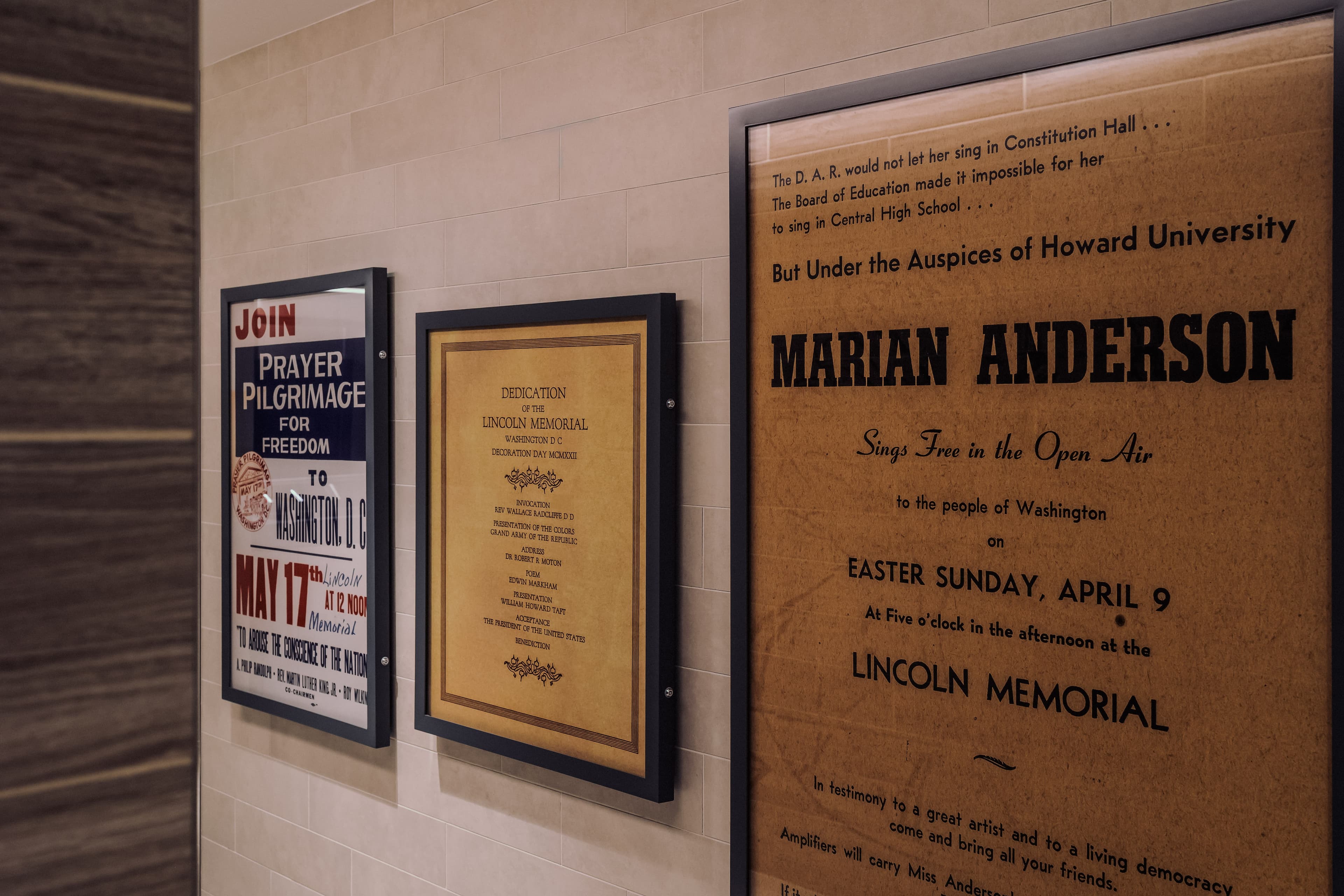
The Memorial is dedicated by President Warren Harding on Memorial Day (then known as Decoration Day), attended by more than fifty thousand people including former president William Howard Taft and former Secretary of War Robert Lincoln (Abraham Lincoln’s only surviving son). Army Corps of Engineers records estimated that approximately fifty thousand people attended the ceremony.
The Reflecting Pool is constructed.
The Commission on Fine Arts approves the addition of a secondary memorial to be placed within the Lincoln Memorial grounds, at the southern end of 23rd Street. This would become the John Ericsson Memorial, dedicated on May 29, 1926 and completed in July 1927.
Executive Order 6166, signed by President Franklin D. Roosevelt, abolished the Office of Public Buildings and Public Parks of the National Capital (within the Department of War) and assigned their functions to the Office of National Parks, Buildings, and Reservations in the National Park Service (Department of the Interior). Ownership and management of the Lincoln Memorial was transferred to National Capital Parks, a unit within NPS.
As part of the Mission 66 projects on the National Mall, a visitor information kiosk would be built south of the Lincoln Memorial.
Water lilies and other aquatic plants are permanently removed from the Reflecting Pool and Rainbow Pool.
The NPS trials underground tours of the Undercroft to the public.
After the Lincoln Memorial elevator was installed for the bicentennial in 1976, some NPS employees suggested adding a window for visitors to be able to see into the undercroft. Tours of the Undercroft begin being held every Wednesday and Thursday.
NPS observes that Lincoln Memorial drainage was inadequate and water was seeping into the Undercroft area.
NPS park rangers conduct an archaeological reconnaissance study of the Lincoln Undercroft area.
After asbestos was discovered during routine tours of the Undercroft, tours are suspended indefinitely.
The Mission 66 visitor information kiosk was replaced by the current kiosk for the Korean War Veterans Memorial, where visitors can reserve in-person tickets for the Lincoln Undercroft.
On Presidents’ Day and ahead of the NPS centennial, philanthropist David Rubenstein announces that he would be donating 18.5 million dollars for work on the Lincoln Memorial, including much needed repair and restoration work in addition to the creation of the Undercroft exhibit and education spaces.
NPS and Quinn Evans (a DC-based architecture firm) begin creating plans for the Lincoln Undercroft.
Construction on the Lincoln Undercroft begins.
The Lincoln Memorial Undercroft opens to the public.
Key Features
Reflection Questions
Our nation’s past is complex and often provokes reflection, especially as we look to the future.
Here are a few questions to inspire deeper thinking:
Educational Activities
Other Resources
Interested in learning more? The following links will provide you with additional context and information: